what is ketosis in cattle Ketosis in cows
Cattle are an essential part of the agricultural industry, and as such, their health is of utmost importance. One of the common conditions that affect cattle is Ketosis, also known as Acetonaemia. Ketosis is a metabolic disorder that usually occurs in dairy cows during early lactation. This condition causes a decrease in appetite and milk production, leading to significant economic losses for farmers. Ketosis occurs when the cow’s body is unable to get enough glucose to meet its energy demands. The cow’s liver then converts fats into ketones, which accumulate in the body and cause metabolic acidosis. There are two types of ketosis: primary and secondary. Primary ketosis is caused by over-conditioning and overfeeding of cows before calving. This condition occurs when the cow’s body is unable to use up the stored fat during early lactation. The excess fat in the cow’s body leads to the accumulation of ketones and the subsequent development of ketosis. Secondary ketosis, on the other hand, is caused by other underlying health problems such as mastitis, metritis, reduced feed intake, and liver damage. These conditions affect the cow’s ability to generate glucose, leading to the development of ketosis. Symptoms of ketosis include reduced appetite, decreased milk production, a sweet odor on the breath of affected animals, and nervous system symptoms such as twitching and head pressing. Over time, cows with ketosis may also develop fatty liver and have an increased risk of developing other metabolic diseases such as displaced abomasum. The treatment and prevention of ketosis in cattle involve several measures. Management practices such as proper nutrition and feeding, timely detection of sick cows, and monitoring of body condition score are essential in preventing ketosis. When the cow is already affected by ketosis, the treatment involves increasing the cow’s energy intake by reducing the amount of fiber in the diet and increasing the amount of readily available carbohydrates such as corn. In conclusion, ketosis is a metabolic disorder that affects the health and well-being of dairy cows. Early detection of the condition and proper management practices are crucial in preventing losses due to reduced milk production and other complications associated with the condition. Cattle farmers, therefore, need to pay close attention to the feeding and nutritional requirements of their cows to prevent the occurrence of ketosis.
If you are searching about vet science: Ketosis (Acetonaemia) in Cattle you’ve came to the right place. We have 5 Pics about vet science: Ketosis (Acetonaemia) in Cattle like Farm Health Online – Animal Health and Welfare Knowledge Hub – Ketosis, Ketosis & Milk Fever Management in Lactating Cattle and also Ketosis in cattle – approaches to tackling an age-old problem | Vet Times. Read more:
Vet Science: Ketosis (Acetonaemia) In Cattle
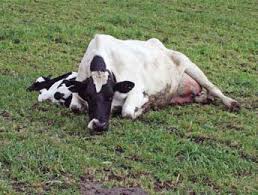 vet-science.blogspot.comketosis cattle vet science
Ketosis In Cows
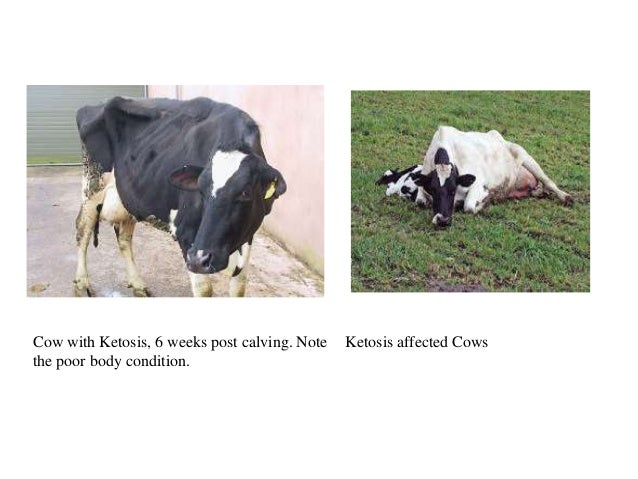 www.slideshare.netketosis
Ketosis In Cattle – Approaches To Tackling An Age-old Problem | Vet Times
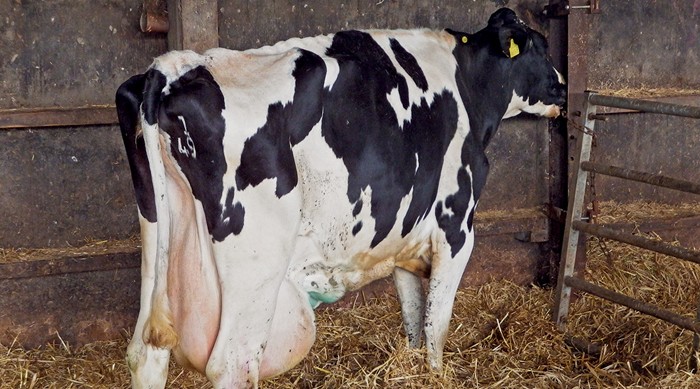 www.vettimes.co.ukketosis cattle
Ketosis & Milk Fever Management In Lactating Cattle
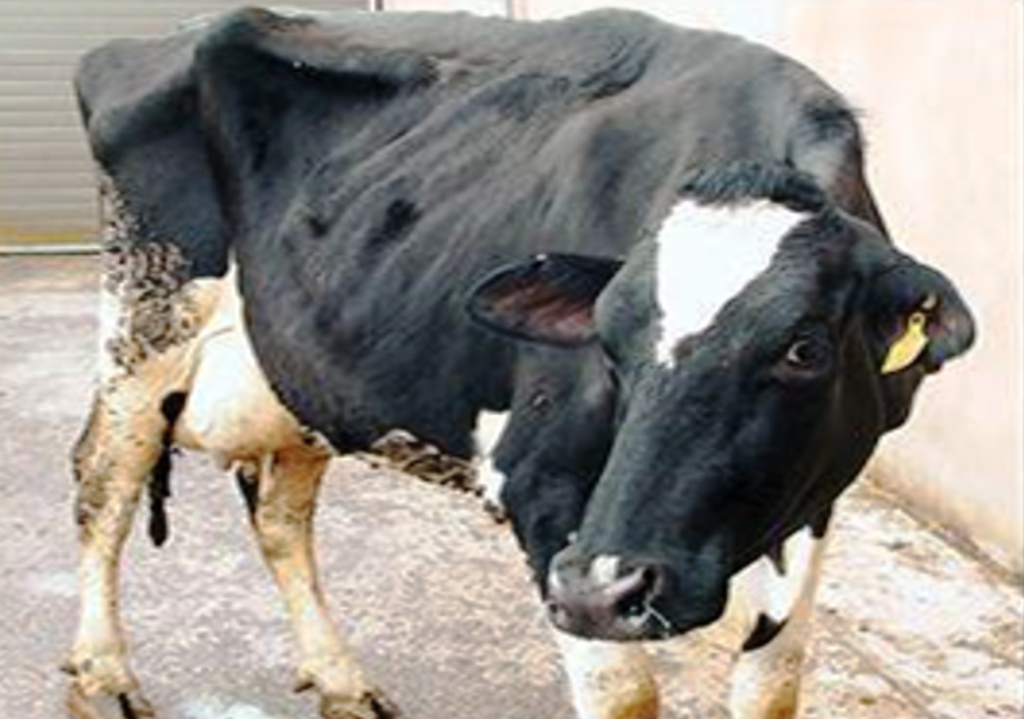 krishijagran.comketosis cattle fever lactating
Farm Health Online – Animal Health And Welfare Knowledge Hub – Ketosis
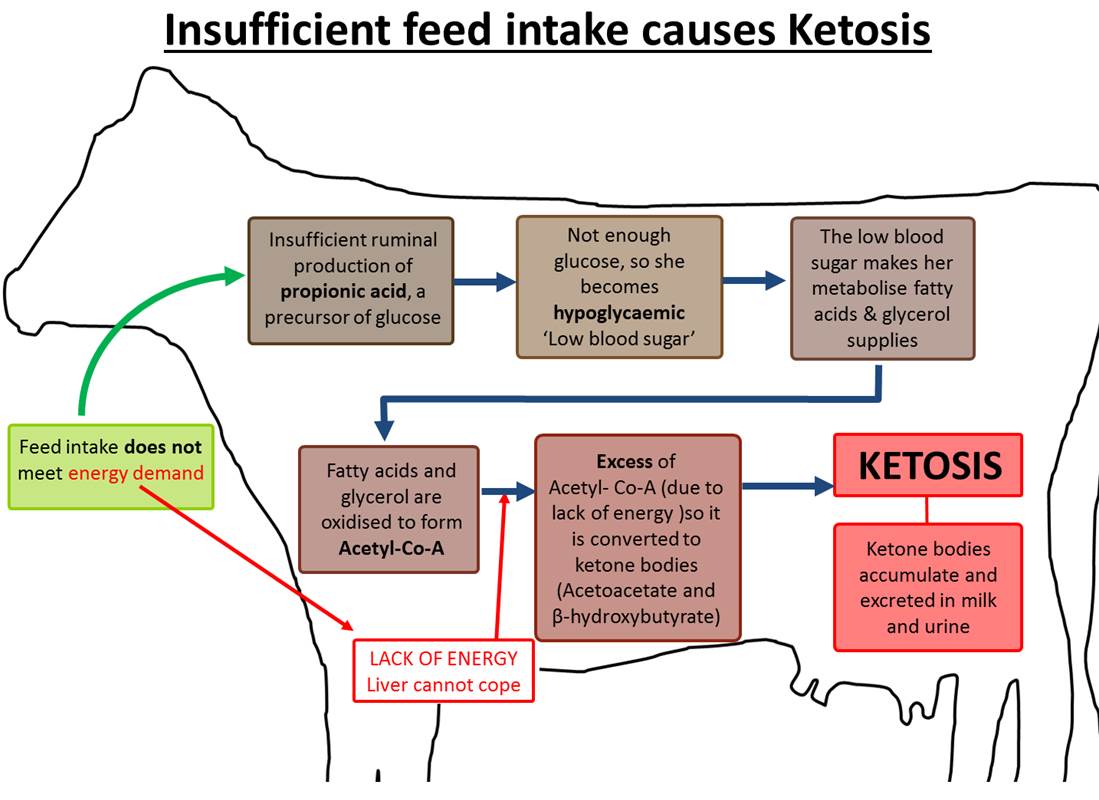 www.farmhealthonline.comketosis cattle diagram animals diseases energy hypoglycemia dairy cows feed disease intake does management illustration health farm demands causing caused
Farm health online – animal health and welfare knowledge hub – ketosis. Ketosis & milk fever management in lactating cattle. Ketosis in cattle – approaches to tackling an age-old problem